
Brisbane, Perth and the Gold Coast: Australian property markets beyond Sydney and Melbourne
Brisbane is gearing up for the 2032 Olympics, Perth runs on the resources cycle, and the Gold Coast is a resort and migration market. How each differs from the two big cities — and the risks that come with each.
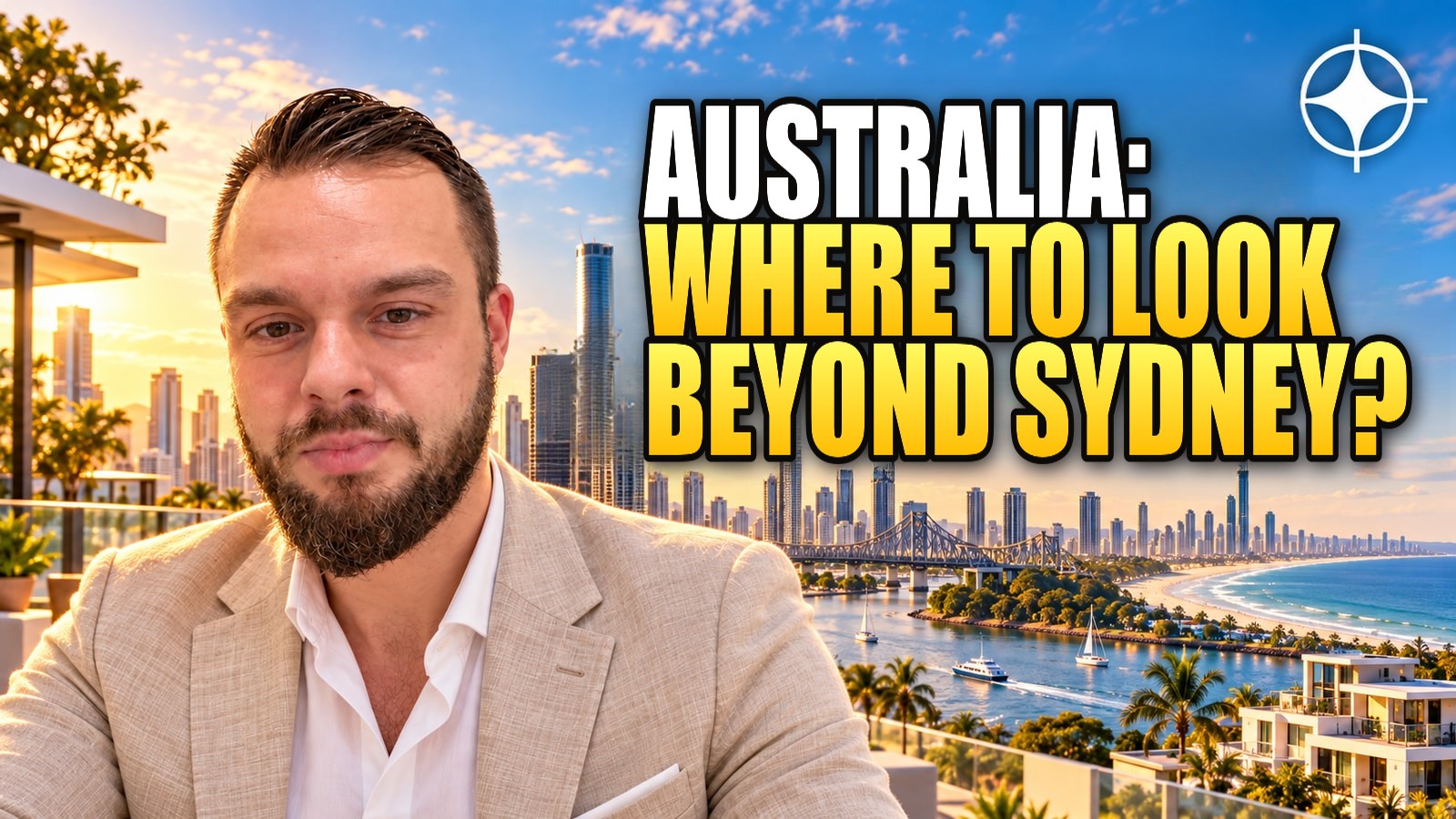
Talk about Australian property usually comes down to Sydney and Melbourne, and for good reason: that is where the people and the money are concentrated. But that is also exactly why those two cities have the highest prices and the lowest rental yields. The second-tier cities play by different rules.
Brisbane: Queensland's capital and the 2032 Olympics
Brisbane has been awarded the 2032 Summer Olympic Games, and an infrastructure programme is being rolled out around them: transport, sports venues, district renewal. At the same time Queensland has been steadily absorbing interstate migration from more expensive states.
- The upside — a clear long-term driver and a growing population.
- The downside — part of the Olympic premium is already in the price, and the event is still years away.
- Climate and lifestyle — a driver of interstate migration in their own right.
Perth: the resources cycle
Perth, on the west coast, lives off mining. That makes its market more cyclical than the others: when commodity prices are high, people move there for work, rents climb and home values rise; when the cycle turns, all of that reverses.
Talk to a licensed broker: 📲 +971 50 120 32 64 on WhatsApp, @dubai_oleg on Telegram
- The upside — historically a lower entry price and higher rental yields than on the east coast.
- The downside — dependence on a single sector, and therefore on global commodity prices.
- Distance — Perth is geographically isolated, and that affects everything, logistics and air links included.
The Gold Coast: resort living and the move to the coast
The Gold Coast, in Queensland, is a resort market with high-rises along the ocean, a steady flow of tourists and a constant stream of people relocating from the colder states.
- The upside — two sources of demand: tourism and migration.
- The downside — resort markets are more cyclical than city markets, and high-rise supply arrives in waves.
- Natural hazards — coastal storms and flooding feed into insurance, and that is a real line in the budget.
What a foreign buyer has to factor in everywhere
- The right to buy. A foreigner can buy a new home with approval from the relevant authority; a temporary ban on buying established homes is in force.
- State surcharges on stamp duty and land tax for foreign owners vary from state to state — and they are a significant part of the calculation.
- Insurance in flood- and storm-prone areas costs substantially more and is sometimes only available on limited terms.
- Currency: the Australian dollar has historically been volatile and tied to the commodity cycle.
Based on Australia's foreign investment framework, public data on interstate migration and reviews of regional housing markets.
Video on this topic
The same subject on the English channel — each clip has a written version of its own.


In the news
Other write-ups on the site about the same thing.
UAE housing market after the boom: Moody’s calls it a “reset” — 47% developer margins, sales half the peak
Moody’s says sales at large UAE developers are about half their peak, yet average gross margins were around 47% in 2025, double the US. Higher material costs would cut that by only about 4 points; Emaar’s backlog is AED 159bn. What it means for off-plan buyers.
Dubai $10m+ home sales in Q3 2026: 86 deals and still first worldwide, while prime prices fall 5%
Dubai recorded 86 home sales above $10 million worth $1.57bn in Q3 2026, ahead of Hong Kong (78) and New York (62). Prices in the 10 prime neighbourhoods fell 5% over the quarter; Palm Jumeirah is down 9.1% over 12 months.
Dubai property price index, October 2026 (ValuStrat): values rise 0.1%, the first monthly gain since February
Dubai residential values rose 0.1% in October 2026 on the ValuStrat index, the first monthly gain since February. Ready-home sales jumped 23.9% from September to 3,602, though they remain 25.6% below October 2025.
Dubai construction costs up about 5%: Emaar founder Alabbar on malls, hotels and the Creek tower
At Bloomberg Invest on 12 November 2026 Mohamed Alabbar said construction costs are up about 5%, footfall in Emaar malls is down 10% and hotel occupancy fell from 80% to 65%. Contractors are still delivering on time; the tender for a big tower is on hold.
Abu Dhabi residential sales in Q3 2026: AED 21.5bn and 582 deals above AED 10m
Q3 2026: 6,085 residential sales in Abu Dhabi worth AED 21.5bn, up 32% year on year by value. Deals above AED 10m reached 582, more than double a year earlier. Apartment values rose 9% and villa values 8%.

Emaar to buy out Emaar Development at AED 15 a share: what the AED 60bn deal means for buyers
Emaar Properties has offered AED 15 a share for the 20.84% of Emaar Development it does not own — about AED 12.5bn, valuing the unit at roughly AED 60bn. The offer runs to 10 December 2026. Here is what it changes for people buying Emaar homes.